

If vaginal looseness is affecting your confidence, intimacy, or quality of life, vaginoplasty at Pelosi Medical Center offers a proven solution. Led by Dr. Marco Pelosi III—a world-renowned pioneer in cosmetic gynecology with over 25 years of experience—our practice delivers natural, transformative results using advanced surgical techniques. As co-founder of the International Society of Cosmetogynecology and educator to surgeons worldwide, Dr. Pelosi brings unmatched expertise to every procedure, ensuring you receive the highest standard of care in Hudson County and beyond.
What Is Vaginoplasty?
Vaginoplasty is the gold standard surgical procedure for vaginal tightening and rejuvenation. It addresses vaginal laxity—a condition where the vaginal canal and surrounding muscles have become loose, often due to childbirth or aging. During the procedure, Dr. Pelosi surgically tightens the vaginal canal, repairs the perineum, and reconstructs the pelvic floor muscles to restore strength, function, and sensation. Unlike non-surgical alternatives, vaginoplasty provides the strongest and most durable results available, helping women reclaim their feminine confidence and intimate satisfaction.
Benefits of Vaginoplasty
Vaginoplasty delivers life-changing improvements for women experiencing vaginal looseness. Benefits include enhanced vaginal tightness and grip during intimacy, improved sexual sensation for both partners, restoration of vaginal muscle tone and function, increased self-confidence and body satisfaction, and correction of perineal damage from childbirth. Many patients also report improved bladder control and pelvic support when necessary pelvic floor reconstruction is included—which Dr. Pelosi incorporates into every vaginoplasty to ensure optimal, lasting results.
Understanding the Procedure
Vaginoplasty targets both the inner levator ani muscles and the outer perineal muscles to restore vaginal tightness from the inside out. Dr. Pelosi tightens the puborectalis muscle—the key muscle responsible for vaginal grip—and reconstructs the perineum to enhance support and direct sensation toward the G-spot during intimacy. Any necessary pelvic floor repair is performed simultaneously to ensure the foundation for long-term success. The procedure is performed under anesthesia in our fully-equipped surgical facility, prioritizing your safety and comfort at every step.
The Vaginal Muscles
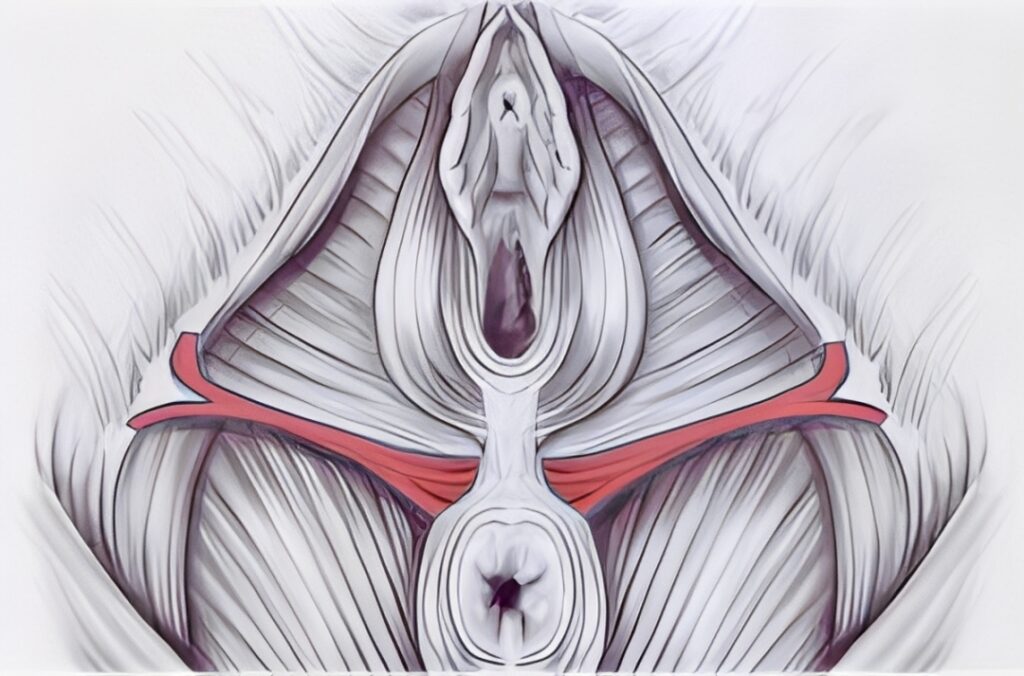
The Outer Vaginal Muscles
The outer layer, just beneath the skin, is called the perineum. This layer primarily provides support to the vagina. The muscles of the perineum form a partial ring around the vaginal opening. The majority of this ring consists of the left and right bulbocavernosus muscles.
The center of this ring is a fusion point where the bulbocavernosus muscles connect with the transverse perineal muscles. This fusion point is called the perineal body.
The outer vaginal muscles are not the muscles involved in Kegel exercises and women are not usually able to tighten them at will. However, when they are intact and firm they generate a snug yet elastic sensation during intercourse.
The Inner Vaginal Muscles
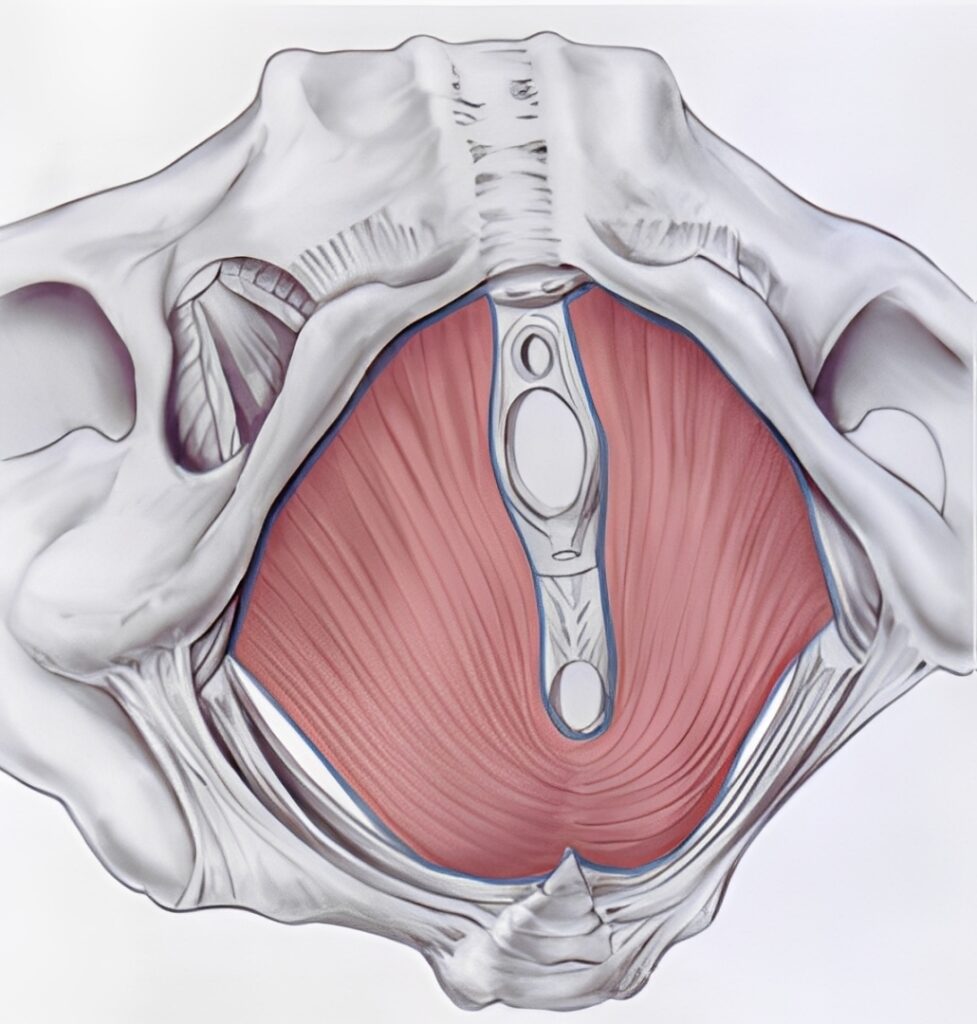
The inner layer of vaginal muscles responsible for vaginal tightening are called the levator ani muscles or simply the levator muscles. The levator muscles form the floor of the pelvis and support the bladder, the vagina and the rectum during normal activity. These muscles consist of one large sheet of muscle tissue that spans across the entire bony pelvis with an opening in the center called the levator hiatus or the genital hiatus. This sheet of muscle is shaped like a bowl with the levator hiatus at its center. The periphery of this bowl is attached to its surroundings by a tough layer of leather-like tissue called fascia. The center is attached to the tailbone and the perineal body.
The Puborectalis Muscle
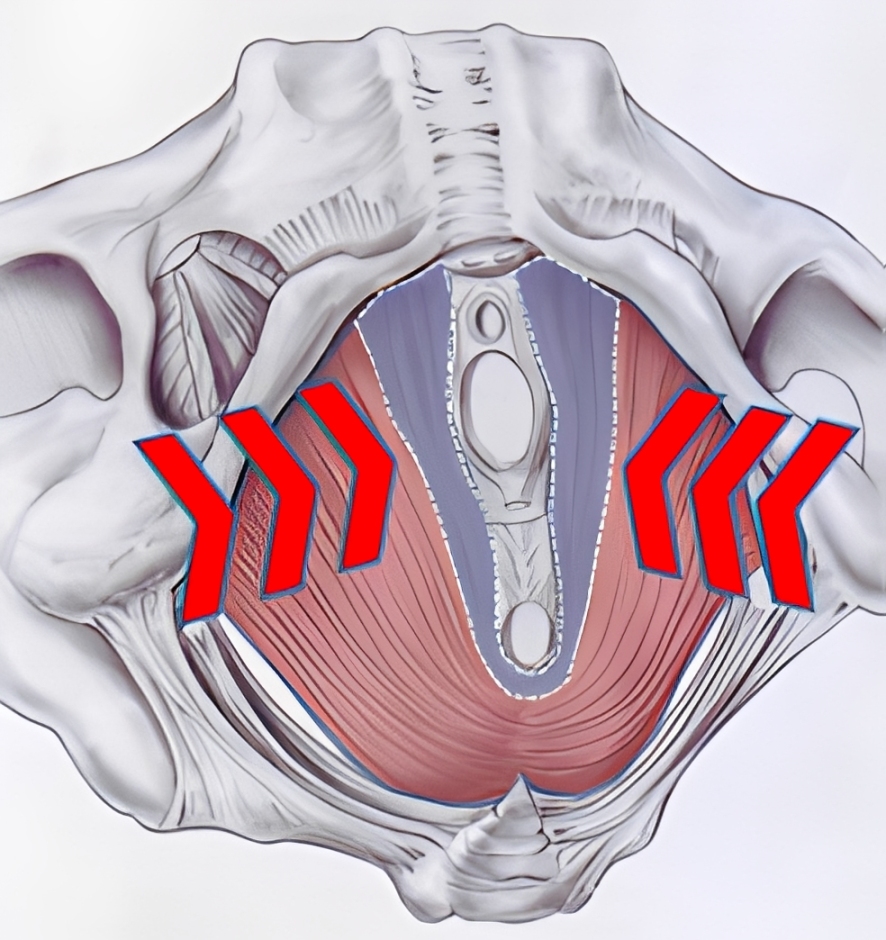
The central portion of the levator ani muscle group is called the puborectalis muscle (blue). This muscle loops around from front to back and forms a sling that tightens around the vagina, the bladder and the rectum. When the puborectalis muscle contracts, the gap between the two sides constricts and the vagina tightens.
Vaginal childbirth can damage the puborectalis muscle by either damaging its nerve supply or by loosening its attachments. Once damaged, the muscle is unable to contract properly and the ability to tighten the vagina is lost or impaired.
The puborectalis muscle is the target of vaginal rejuvenation tightening procedures.
Key Facts About Vaginoplasty
-
Typical Duration: 1.5 hours
-
Return to Work: 2-3 days
-
Resume Intercourse: 8 weeks
-
Resume Exercise: 8 weeks
-
Final Results: 8 weeks
Why Choose Pelosi Medical Center for Vaginoplasty
Dr. Pelosi’s extensive training in obstetrics, gynecology, and cosmetic surgery makes him uniquely qualified to perform vaginoplasty with precision and artistry. He has pioneered specialized techniques including laser vaginoplasty and comprehensive pelvic floor reconstruction—critical components that many surgeons overlook but are essential for successful outcomes. With over 800 presentations delivered worldwide and numerous scientific publications, Dr. Pelosi is recognized as a leader and innovator in his field. Our bilingual team (English/Spanish) provides personalized, compassionate care in a welcoming environment, ensuring every patient feels heard, comfortable, and confident throughout their journey.
Contact Pelosi Medical Center Today
Ready to restore your confidence and reclaim your intimate wellness? Contact Pelosi Medical Center today to schedule your private consultation with Dr. Pelosi. Call us at (201) 858-1800 or visit our Bayonne office, conveniently located near Jersey City, Hoboken, and NYC. We serve patients locally and welcome women from across the country seeking Dr. Pelosi’s world-class expertise. Financing options are available to make your transformation accessible and affordable.